
Detect. Prove. Prevent. Network performance issues before they impact your business.
Most monitoring tools can tell you when something is down. Few can tell you why or help you prevent it from happening again.
This guide introduces a simple, practical framework used by network engineers to move from reactive monitoring to proactive network intelligence. Download the guide now 👇

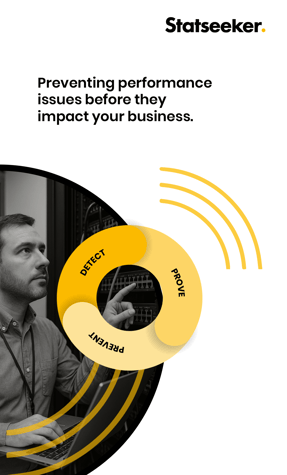
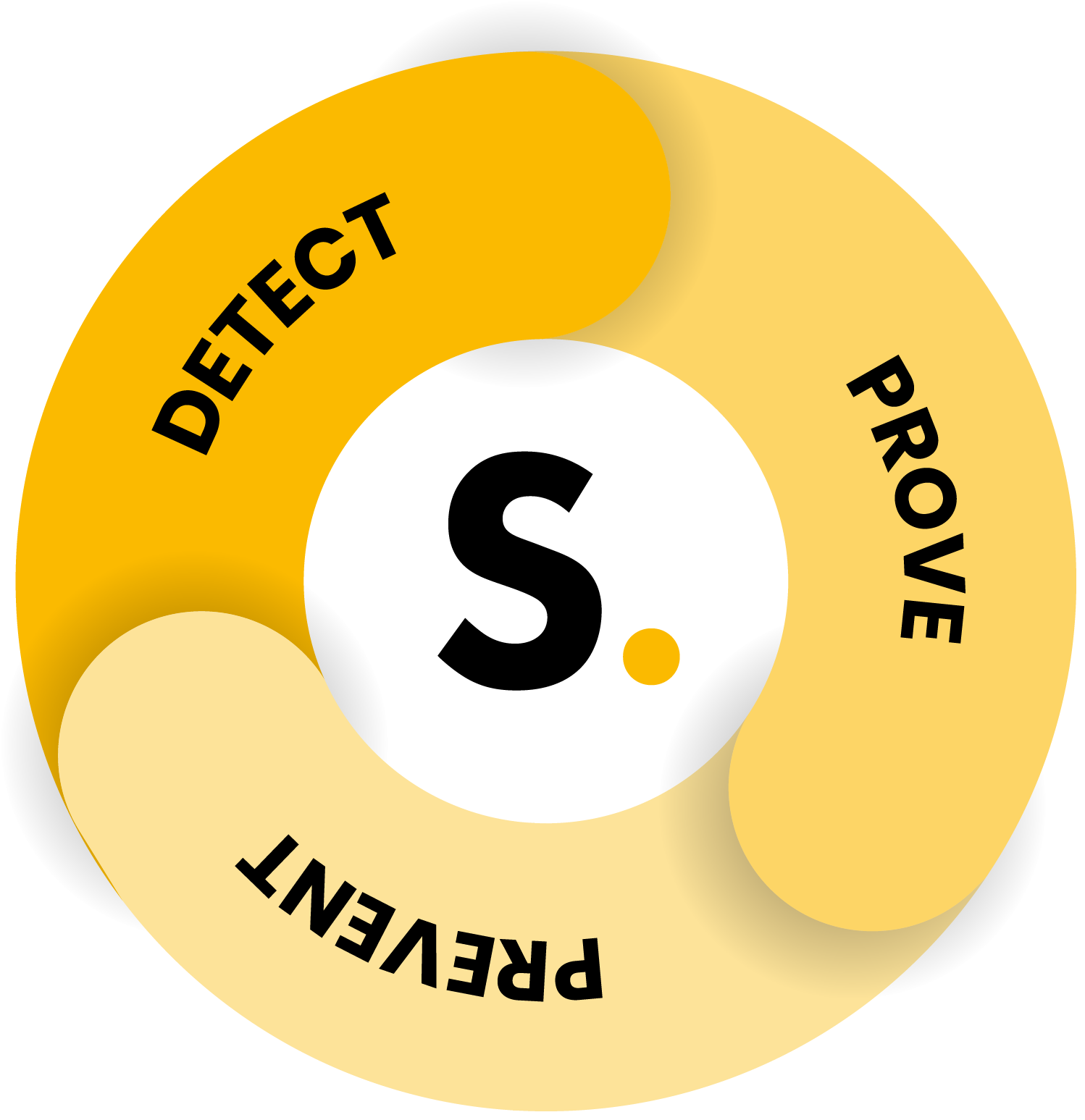
Detect Faster
Prove Root Cause
Prevent Recurrence

"Is it down?" is no longer the right question.
Modern networks are distributed, complex, and business-critical. When something fails, engineers need answers fast, especially when they don't have physical access to the site.
Traditional monitoring struggles to answer:
-
Why is the device down?
- Is it hardware, connectivity, or an environmental issue?
- How widespread is the impact?
- Which sites or users are affected?
- What needs attention now, and what can wait?
Without clear evidence, teams are forced to react, escalate blindly, and prioritize tickets without context.
Detect issues as they emerge, not after users complain.
Know what's connected to your network at all times. Immediate zero-touch discovery and visibility provide the foundation for awareness.
- Discover devices automatically with minimal setup
- Maintain a real-time view of network state across all sites
- Monitor availability and health metrics at high frequency
- Identify outages immediately, even in remote locations
Prove what's happening and why.
Eliminate blind spots. Use complete, high-resolution data to validate outages, confirm impact, and support root-cause analysis.
- Eliminate monitoring blind spots
- Correlate device state across sites and regions
- Distinguish between hardware failure and environmental issues
- Validate outages with clear, defensible data
Prevent issues before they disrupt the business.
Move from reaction to prevention. Identify behavioral changes, anomalies, and early warning signs before issues escalate.
- Baselining of normal network behavior
- Early anomaly detection
- Threshold-based alerts for developing issues
- Hardware health monitoring to catch stress before failure
How a 10,000-site enterprise moved from reaction to prevention.
The guide includes a real-world example of a large North American retailer managing thousands of distributed locations.
You will see how they used Statseeker to:
- Identify site-level outages in real time
- Correlate router failures across locations
- Detect regional power outages vs device failures
- Prioritize support tickets based on true business impact
With geo-aware dashboards, targeted alerts, and minute-level data collection, the team gained clarity, speed, and confidence in every response.
This guide was written by Statseeker engineers for:
Network engineers responsible for uptime and performance.
Enterprise network where performance directly affects uptime, capacity planning, and user experience.
NetOps teams supporting distributed or multi-site environments.
Data center and campus where visibility into core switching and routing is critical.
Network administrators who need defensible, data-driven insight.
Remote sites and distributed infrastructure where distance, scale, and inconsistent links make issues harder to isolate.
IT professionals who want fewer suprises, not more dashboards.
Complex multi-vendor network environments where a single, consistent view of full-fidelity data is essential..

Stop reacting.
Start preventing.
Engineers around the world are moving toward proactive network management using intelligent analytics.
Download the guide to learn how the Detect. Prove. Prevent. framework helps prevent performance issues before they impact your business.

Apply the Detect. Prove. Prevent. framework in your own network.
- No credit card required
- Deploy in minutes
- Supports multi-vendor environments
- Unlimited historical data included